
This post may contain affiliate links. When you purchase through links on my site, I may earn a commission at no cost to you. See my Privacy Policy for details.
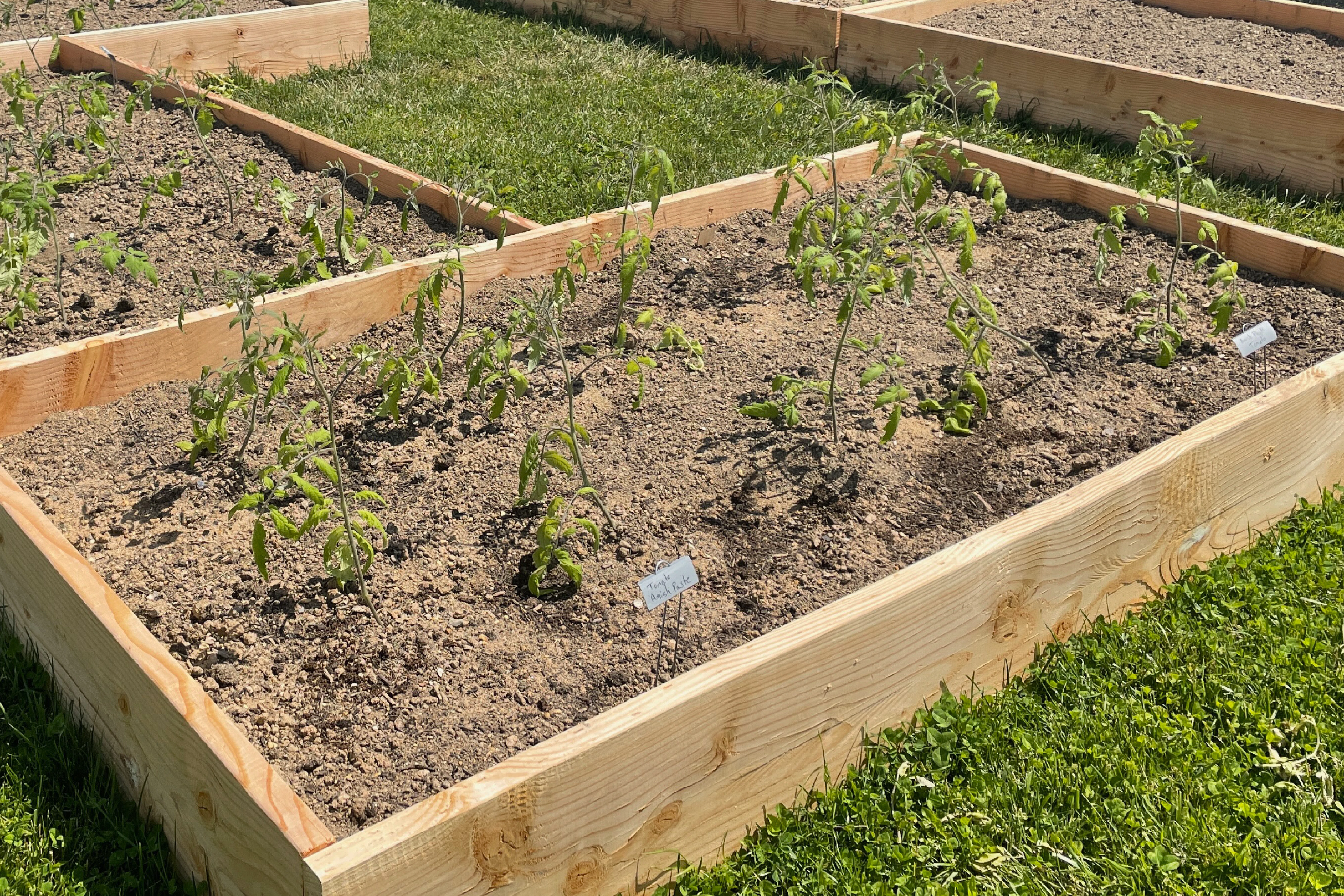
You bring home a healthy plant, tuck it into the garden, water it in, and feel pretty proud. Then the next day, it looks like it’s giving up. Sound familiar?
That slump is often Transplant Shock, which is just plant stress after a move. The simple problem is usually at the roots. When roots are disturbed, torn, or dried out, they can’t take up water well. The leaves keep losing moisture to the sun and wind, and the whole plant acts like it’s thirsty even if the soil is damp.
A little droop for a short time can be normal. The goal is spotting when it’s normal, when it’s not, and what to do next. Let’s talk about symptoms, causes, prevention, and a steady recovery plan after transplanting.
How to Tell if Your Plant has Transplant Shock
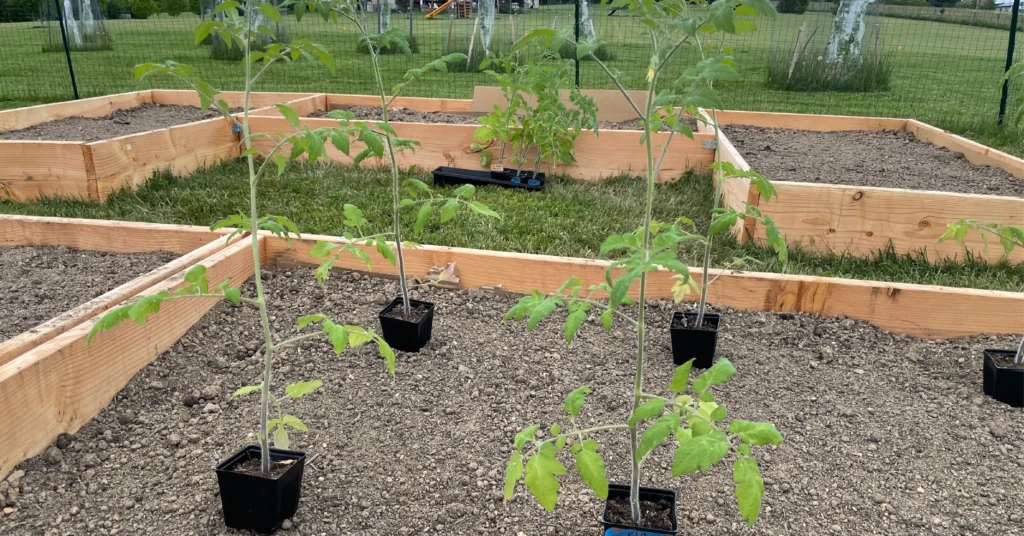
Transplant shock can show up the same day, or it can creep in over the next 1 to 14 days. With many vegetables, you’ll see the drama quickly. With trees and shrubs, symptoms can be delayed, sometimes by weeks, because they have more stored energy and a bigger root system to rebuild.
A helpful way to think about it is this: the plant’s “plumbing” got bumped. Leaves are still asking for water, but the roots are temporarily bad at delivering it. Your job is to reduce demand (heat, wind, harsh sun) and support the roots while they re-grow fine feeder roots.
Quick Transplant Shock Symptoms Checklist
- Wilting: Leaves droop even when the soil feels moist.
- Leaf scorch: Brown, crispy edges or blotches, often on sun-facing leaves.
- Yellowing: Pale leaves that fade from green to yellow, sometimes starting at the bottom.
- Curling: Leaves roll inward to reduce moisture loss.
- Leaf drop: The plant sheds some leaves to “downsize” water needs.
- Stalled growth: Little to no new growth for a while, even with good care.
When it is More than Transplant Shock
Some signs are telling you it’s not just a short adjustment. It’s time to act right away if you notice:
- Mushy stems or crown, especially near the soil line.
- Sour or rotten smell from the soil (common with waterlogged roots).
- Soil that stays wet for days and feels cold and heavy.
- Severe wilt that doesn’t improve overnight, even in cooler evening hours.
- Fast browning across most leaves or sudden dieback of tips.
If a plant isn’t improving after about 7 to 10 days (or it’s getting worse), check for pests and disease too. Stressed plants are easier targets, and sometimes the “shock” is hiding a bigger issue like root rot, cutworms, or a stem disease.
The Real Causes of Transplant Shock
Most transplant shock comes down to three things: roots drying out, roots being damaged, or the plant being thrown into a totally different environment. Inside the plant, all of these lead to the same result: less water moves upward, while the leaves keep losing moisture to the air.
It can happen to any plant, but it’s common with seedlings, container plants that are root-bound, and anything moved on a hot or windy day. Even careful gardeners can trigger it, because transplanting is always a bit of a disruption.
The good news is that the causes are easy to understand, which makes prevention much easier next time.
Root Disturbance: Why Losing Fine Roots Makes Plants Droop
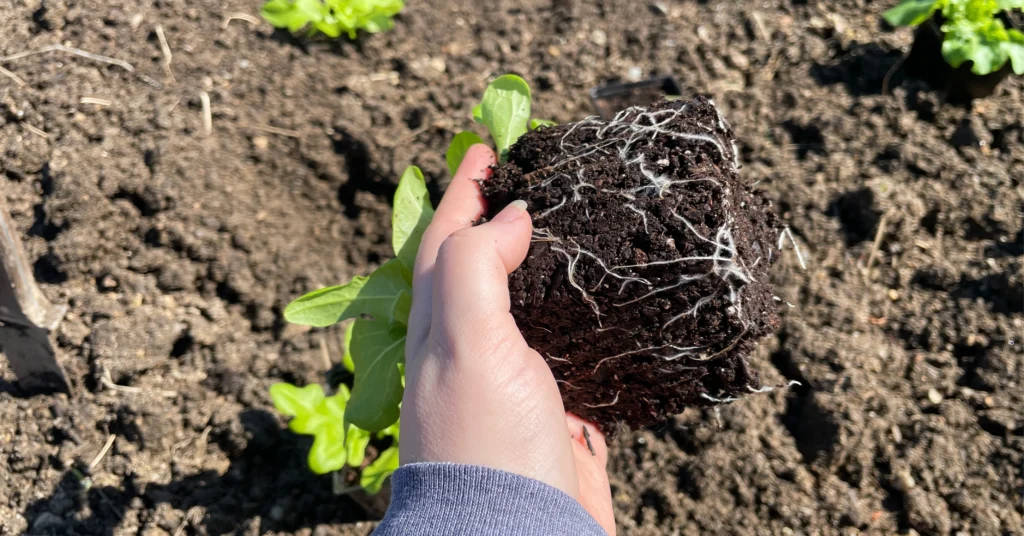
Plants don’t “drink” through their big, thick roots. They drink through tiny feeder roots and root hairs. Those delicate parts tear easily when you dig, tease, or slide a plant out of a pot.
A few common root problems that set the stage for transplant shock:
- Rough removal from pots: pulling by the stem, squeezing the pot too hard, or letting the root ball crumble.
- Root-bound plants: circling roots that don’t want to spread into new soil.
- Roots exposed to air: even a few minutes of sun and breeze can dry fine roots fast.
- Broken roots from digging: especially with perennials and shrubs moved from the ground.
When feeder roots are lost, the top of the plant is suddenly “too big” for what the roots can support. That’s why a plant can wilt right after transplanting, even if you water it.
Sudden Weather and Light Changes
Moving a plant from gentle conditions to full sun is like walking out of a movie theater into noon daylight. Leaves that grew indoors, in a greenhouse, or under shade have thinner protective layers. Wind also matters more than people expect. Breeze pulls moisture off leaves quickly, and a new transplant can’t keep up yet.
That’s why hardening off is such a big deal for seedlings. If you want a clear, beginner-friendly routine, follow this guide on how to harden off seedlings. It’s one of the simplest ways to avoid transplant shock in the first place.
Temperature swings can pile on, too. Hot afternoons, cold nights, and dry air all increase water stress at the exact time roots are trying to heal.
Prevent Transplant Shock Before It Starts
If transplant shock feels random, this part will calm you down. You can prevent a lot of it with a few small choices that stack the odds in your favor. Think of it like helping someone move houses: don’t do it during a heat wave, don’t leave their stuff on the curb for hours, and make sure they’ve got water when they arrive.
Before You Transplant
If you can choose, transplant on a cool or cloudy day. Early evening also works well, because the plant gets a long, gentle night to settle in.
Before you pull a plant out of its pot, do three things:
First, dig the hole. Roots shouldn’t sit around waiting while you wrestle with soil.
Second, water the plant in its pot about 30 to 60 minutes before planting. Moist roots slide out easier and resist drying.
Third, aim for a hole that matches the root ball and the surrounding soil. If you dig a bathtub-like hole in heavy clay and fill it with fluffy potting mix, you can create drainage problems. It’s fine to add compost, just don’t turn the planting hole into a different universe from the rest of the bed.
During Planting
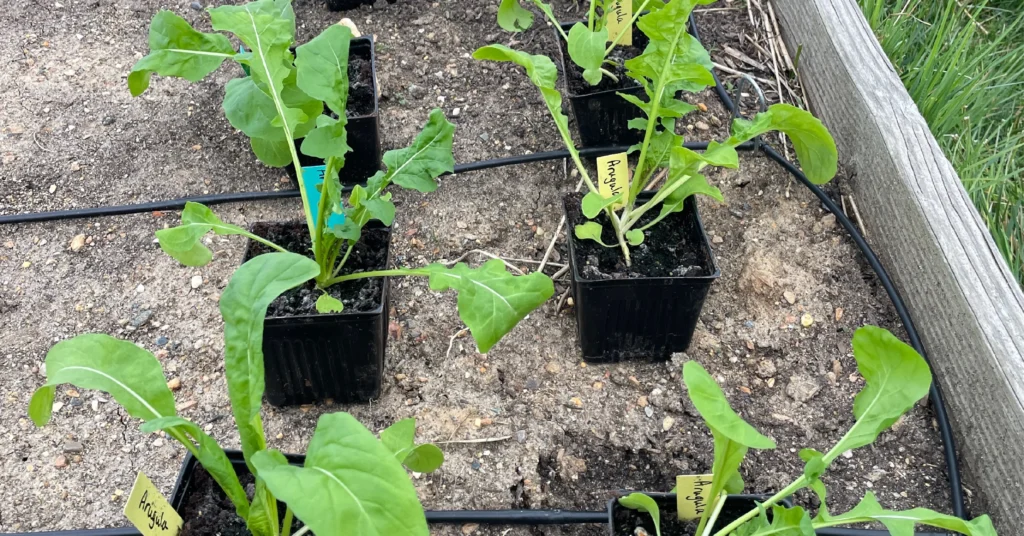
Slide the plant out by tipping the pot and supporting the root ball. Avoid pulling on the stem.
If you see circling roots, loosen them gently with your fingers. You’re not trying to shred the root ball, you’re just encouraging roots to grow outward instead of continuing to spiral.
Set the plant at the right depth. In most cases, plant at the same soil level it had in the pot. Don’t bury stems unless the plant type benefits from it (tomatoes are a common exception).
Backfill and firm the soil with light pressure to remove big air pockets, but don’t pack it down hard. Roots need oxygen.
A thin layer of mulch helps keep soil moisture steady. Keep mulch a couple of inches away from the stem so it doesn’t trap moisture against tender tissue.
Right After Planting
Water slowly so moisture reaches the full root zone, not just the surface. A quick splash often leaves the root ball dry inside, especially if it’s a peat-heavy potting mix.
For the first two weeks, try to keep the soil evenly moist, not soggy. Check moisture 2 to 3 inches down, not just on top.
If the plant is tender (or the weather is bright and windy), give it temporary shade for 1 to 2 weeks. Shade cloth, an upside-down crate, or a light cover can cut stress fast.
Hold off on fertilizer until you see new growth. Fertilizer salts can burn damaged roots, and pushing top growth too soon can make the water problem worse.
How to Help a Shocked Plant Recover
Once a plant is in shock, it’s tempting to throw everything at it. Extra fertilizer, daily watering, pruning, “tonics,” you name it. Recovery usually goes better with a calm routine and a little patience.
Many annuals bounce back in days to a couple of weeks. Perennials may take a few weeks. Shrubs and trees can take months, and sometimes a full season or two to really look like themselves again.
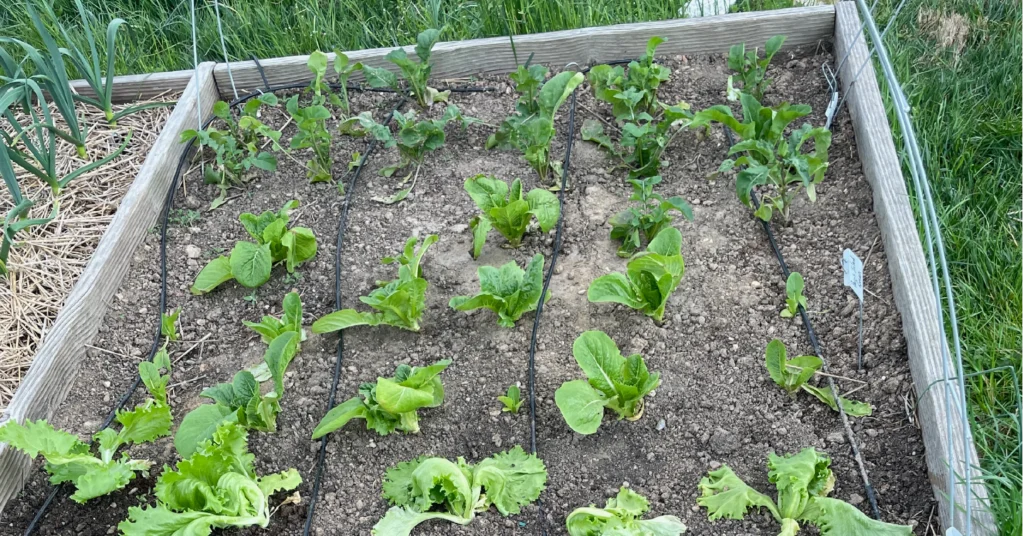
Watering That Actually Works
Wilting can mean two opposite things: “I’m dry” or “I can’t breathe.” The fix depends on which one you have.
Use a simple finger test. Push your finger into the soil 2 to 3 inches deep:
- If it’s dry at that depth, water slowly and deeply.
- If it’s wet and heavy, don’t add more water yet. Let it drain and get some air back in the root zone.
Deep watering is better than frequent sips. You want roots to grow downward, not sit near the surface waiting for daily sprinkles.
If you’re growing in containers, make sure excess water can drain, and don’t let pots sit in a tray of water. Drowning roots can look like thirst, and it can turn transplant shock into root rot fast.
Should You Prune, Stake, or Use “Transplant Tonics”
Pruning can help in one specific way: remove dead, broken, or badly damaged leaves and stems. That prevents rot and lets the plant focus on healthy tissue.
What you don’t want to do is strip off lots of healthy leaves. Leaves make energy, and that energy is what rebuilds roots. If you remove too much, you slow recovery.
Staking is only needed if the wind is rocking the root ball. A plant that sways too much can keep breaking new root tips as they form. Stake loosely so the plant still moves a little, because movement builds strength.
As for transplant tonics, vitamin solutions, or sugar water, they’re usually not needed. The best “tonic” is boring but effective: correct watering, a bit of shade, and time.
Seedlings, Vegetables, and Woody Plants: Transplant Shock Looks Different for Each
One reason transplant shock is so frustrating is that it doesn’t look identical across plants. A basil plant can start to flop in a day. A new tree can look fine for weeks, then start dropping leaves. Knowing what “normal” looks like for your plant type keeps you from over-correcting.
Seedlings and Tender Veggies
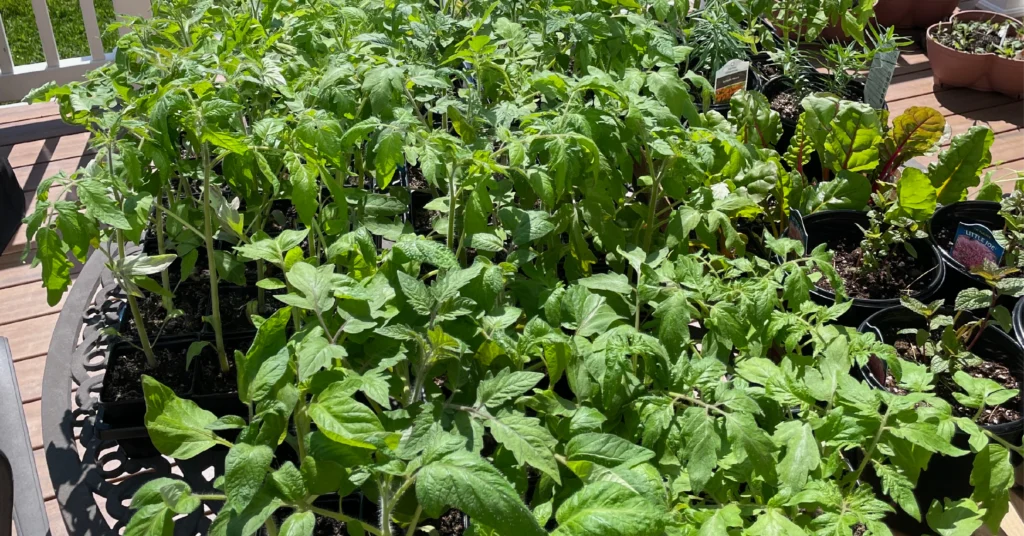
Fast-growing vegetables and flowers live in a hurry. They don’t have much stored energy, and their small root systems dry out quickly.
Common mistakes that trigger transplant shock in seedlings:
Planting out too early, when nights are still cold. Letting cell packs dry out, even once. Handling plugs roughly, which breaks feeder roots. Skipping hardening off, so leaves aren’t ready for sun and wind.
Keep moisture consistent for the first 1 to 2 weeks. If nights dip colder than your seedlings can handle, cover them overnight with a lightweight fabric cover and remove it in the morning. A little protection early can save you from weeks of slow growth later.
Trees and Shrubs
Woody plants can be sneaky. They often have enough stored reserves to push through the first days, then show stress later as those reserves run down.
Signs can include a thinning canopy, smaller new leaves, early fall color, or tip dieback. The fix is rarely dramatic. It’s steady deep watering, proper mulch, and patience.
Water deeply at the drip line, not just at the trunk. Mulch in a wide ring, a few inches deep, and keep it off the bark. Then watch for secondary issues. Stressed trees and shrubs can attract pests or diseases that wouldn’t bother a healthy plant.
If you’re caring for a tree, think long term. Some transplant recovery is measured in seasons, not days.
Reduce Transplant Shock
Some plants hate being moved, and they’ll punish you for it. Root crops and plants with sensitive taproots often do better when sown right where they’ll grow. Carrots are a classic example. Beans and peas can also prefer direct sowing in many gardens.
Transplanting still has a place. It’s great for warm-season crops you want to start early, and for gardeners who want a head start on harvest.
If you’re deciding what to start in pots and what to sow outside, this guide on transplanting vs direct seeding makes the choice much clearer. Picking the right method upfront can prevent transplant shock before it has a chance to start.
Transplanting is always a little stressful for plants, but Transplant Shock doesn’t have to ruin your season. Keep these basics in mind:
- Spot symptoms early, and watch how the plant changes over 1 to 2 weeks
- Prevent stress with good timing and hardening off
- Water deeply and correctly, moist but never swampy
- Use temporary shade when the sun and wind are intense
- Skip fertilizer at first, and give roots time to rebuild
Make sure to check your transplants daily. Touch the soil, watch for new growth, and make small adjustments. A steady hand is often what turns a droopy transplant into a strong, productive plant.