
This post may contain affiliate links. When you purchase through links on my site, I may earn a commission at no cost to you. See my Privacy Policy for details.
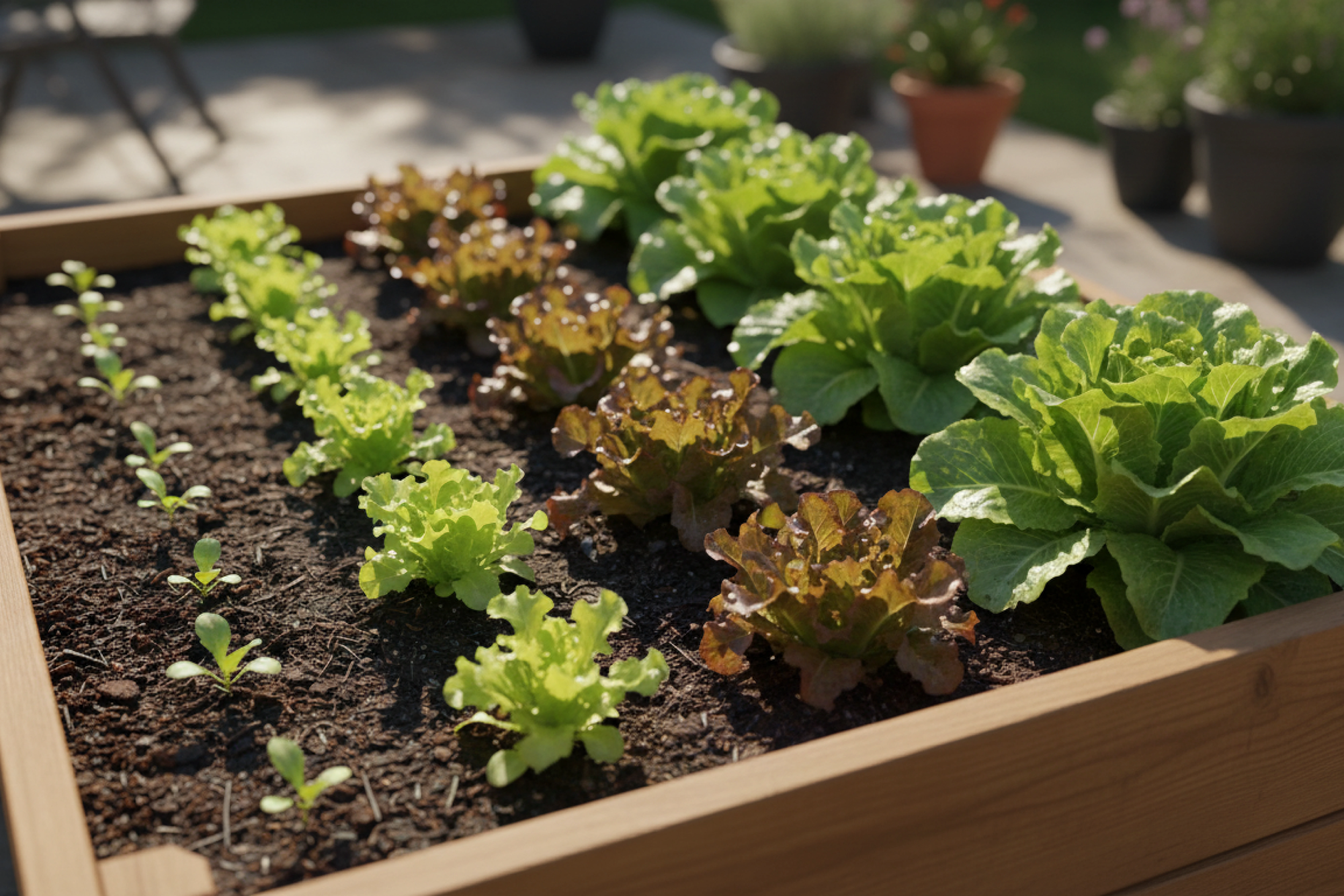
If you’ve ever harvested 20 heads of lettuce in the same week, you already know the problem. You either eat salads for every meal or watch good food wilt in the fridge.
That’s why Succession Planting is such a favorite garden habit. It simply means planting in small batches every 1 to 2 weeks, or replanting an empty spot right after harvest. Instead of one big rush, you get a steady, happy trickle of fresh food.
You’ll learn three easy methods (pick just one to start), how to choose crops that cooperate, and how to build a simple schedule that works in beds, raised beds, or containers.
Why Succession Planting Works
Most home gardens don’t fail because of effort. They fail because timing gets weird. Everything comes ready at once, then the bed sits empty, then summer hits, and you feel behind.
Succession planting fixes that with one simple idea: keep the bed working. You don’t need more space, you just need better pacing.
It also makes day-to-day care easier. Bare soil dries out fast and grows weeds like crazy. A planted bed shades the soil, holds moisture longer, and gives weeds less room to move in. As a result, watering and weeding feel more manageable.
Another win is season-stretching. Quick spring crops can finish before heat arrives, then you can re-use that same space for warm-season plants. Later, when nights cool down, you can slide in fall crops and keep harvesting well past summer.
3 Benefits: Steady Harvests, Less Waste, More Space
- Steady harvests feel like a grocery run you don’t have to drive for. For example, sow lettuce every week and you’ll cut salads for weeks, not days.
- Less waste happens when you plant what you can actually eat. Radishes are a great example. A short row every 10 days is plenty for most households.
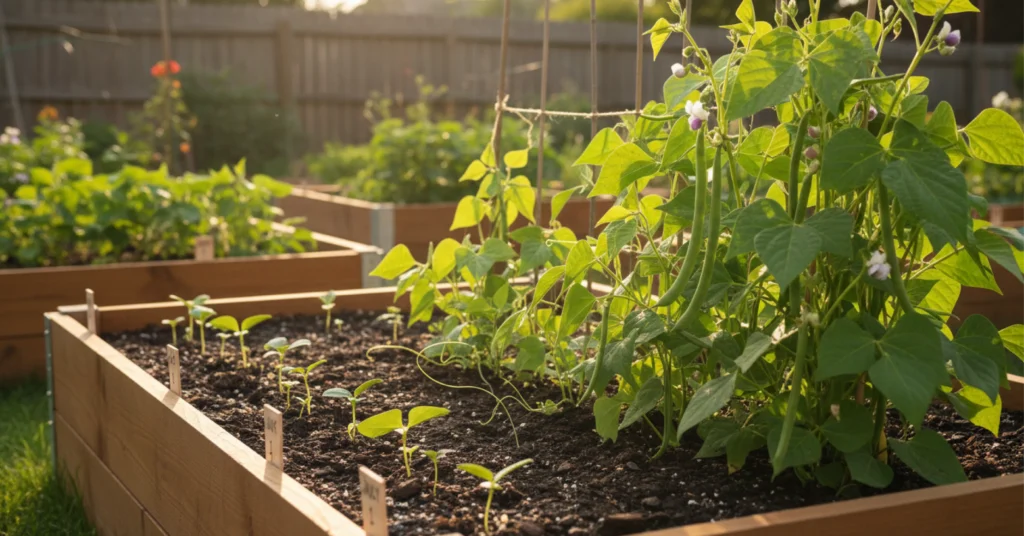
- Better use of space is the quiet superpower. Once spring greens finish, you can plant beans in that same spot. Or you can tuck radishes between slower crops and harvest them before anything gets crowded.
If you only remember one thing, make it this: small plantings beat big planting days, because they match real life and real appetites.
What Succession Planting is Not
It’s not planting everything early and hoping it all “spreads out.” Many crops mature in a tight window, especially in warming weather.
It’s also not ignoring spacing. Crowded seedlings compete for light and water, so you end up with lots of leaves and small harvests.
Finally, it’s not guessing on dates. Timing matters because heat, frost, and day length change what grows well. A lettuce sowing that thrives in April can bolt in June, even if you do everything else right.
3 Simple Ways to Succession Plant
You don’t need a perfect plan, but you need a repeatable pattern. Think of these methods like three different routes to the same place. Pick the one that fits how you garden right now.
Method 1: Sow the Same Crop Every 7 to 14 Days
This is the easiest place to start. You sow a small amount, then sow again before you run out.
It works best for crops that grow fast or harvest all at once, like salad greens, radishes, carrots, and beets. Instead of planting a whole packet, plant a short row or a small container, then repeat.
A simple timing tip helps a lot. In cool weather, growth is slower, so sow closer together (about every 7 days). As it warms up, plants grow faster, so you can often stretch it to 10 to 14 days.
Seed packets help here. Look at “days to maturity,” then ask yourself: Do I want all of this ready the same week? If not, break your planting into smaller sowings.
Method 2: Follow-On Planting
Follow-on planting means you treat an empty spot like an open parking space. You don’t leave it empty “for later,” you fill it.
As soon as a crop finishes, pull it out and replant right away. That single habit can add weeks of harvest to a small garden.
Here are a few easy sequences that feel natural in a raised bed:
- Spring radishes, then bush beans
- Spring spinach, then beets
- Peas, then late-summer greens (as the weather starts to cool)
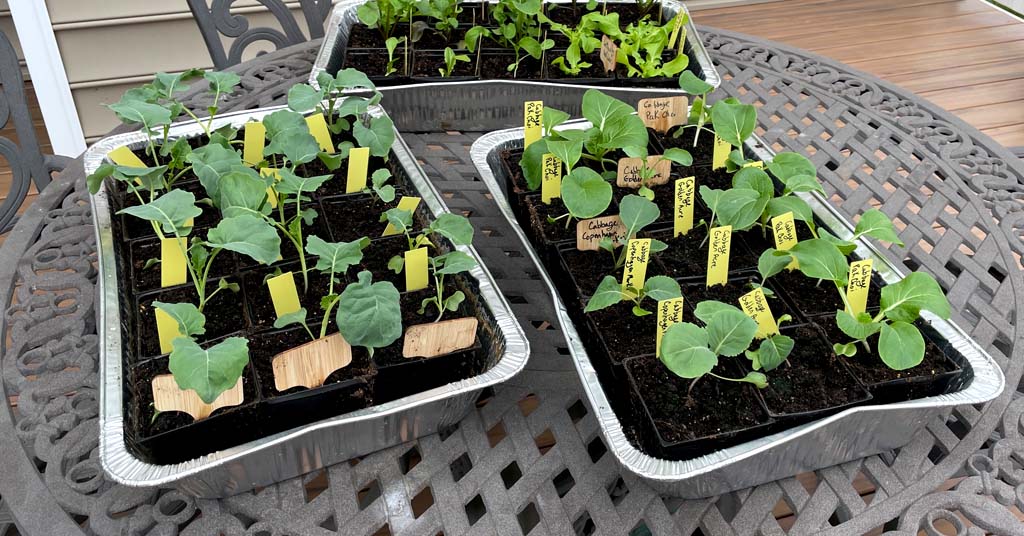
The key is speed. Don’t wait for the bed to look tired. When a plant is done producing, clear it. Also, keep a few seedlings ready so you can drop them in on the same day. Even a small tray of starts can save your season when life gets busy.
Method 3: Interplanting
Interplanting is like slipping a few small errands into a trip you’re already taking. You use space that would be empty for weeks.
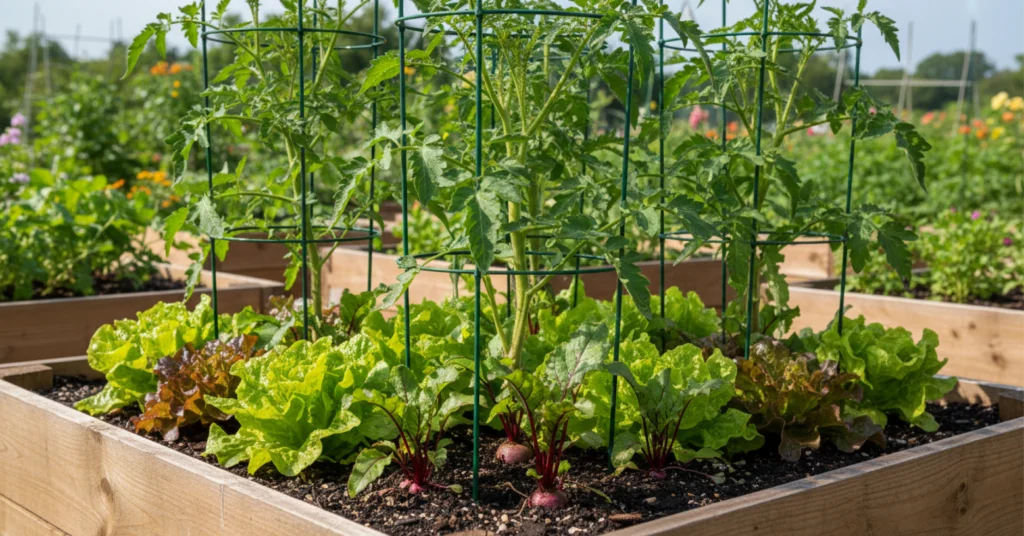
Plant quick crops (radishes, arugula, baby lettuce) between slow crops (tomatoes, peppers, broccoli). Early in the season, those big plants are small. Sun hits the soil, weeds sprout, and moisture escapes.
Interplanting flips that. The quick crop shades the soil, reduces weeds, and gives you an early harvest while you wait for the main crop.
A classic pairing is radishes under tomatoes. You’ll harvest the radishes before the tomato roots and foliage take over. You can also sow a thin line of baby lettuce along the edge of pepper plants, then harvest it young.
One caution: don’t crowd. Airflow matters, especially around tomatoes. Keep plant spacing sensible, and harvest the “filler” crop on time so it doesn’t become a problem.
Choose Crops That Are Easy to Repeat
Succession planting feels easy when you choose crops that cooperate with your weather. It feels frustrating when you try to force spring greens through summer heat.
Start by thinking in seasons. Cool-season crops like steady moisture and milder temperatures. Warm-season crops want warm soil and longer days. When you match crops to the right window, you get better germination, fewer pests, and better flavor.
If this is your first year trying it, keep it small. Choose 2 to 3 crops you love eating, then practice repeating them. You can always add more next season.
Best Crops for Succession Planting
A tight list beats an overwhelming one. These are reliable, forgiving, and perfect for repeating:
- Leaf lettuce and salad greens: fast, flexible, and easy to harvest young
- Radishes: quick payoff, great gap-filler, and ideal for cooler weather (see how to grow radishes for beginners)
- Beets: you can harvest greens early and roots later, plus they handle cool fall weather well (try this guide on growing beets from seed)
- Carrots: slower, but worth it when you sow small sections more than once
- Bush beans: a strong, warm-season repeat crop, especially if you plant a second round mid-summer (use these tips for growing green beans)
- Zinnias or other cut flowers: repeat sowings keep bouquets coming, not just one big flush
Timing matters most in summer. Many greens bolt when days are hot and long. If you want summer salads, use shade (even a simple cloth) and harvest young, or wait for late-summer sowing as temperatures ease.
Direct Sow or Transplant?
Some crops do best when you sow them right in the bed. Roots like carrots and beets usually prefer direct sowing because they hate root disturbance.
On the other hand, transplants keep your pipeline moving. If you can plug in a seedling the day a space opens, you don’t lose two weeks waiting for seeds to sprout.
A simple approach is to do both. Direct sow your fast and root crops, then keep a few plug trays going for things you want ready on demand. If you want a clearer breakdown, this guide on transplanting vs. direct seeding methods helps you choose quickly.
Make a Simple Succession Planting Schedule
Planning sounds serious, but it doesn’t have to be. The goal is a short routine that keeps you from forgetting the next sowing.
Start with a quick map of your bed or containers. Nothing fancy, just “left side is greens,” “middle is roots,” “back is tomatoes.” Next, pick your repeating crops and decide how often you want to plant them.
This quick table gives you a simple starting rhythm. Adjust based on your weather and appetite.
| Crop | Usual repeat interval | Best season to repeat |
|---|---|---|
| Salad greens | 7 to 14 days | Spring, fall, mild summers |
| Radishes | 7 to 14 days | Spring, fall |
| Beets | 14 to 21 days | Spring, late summer into fall |
| Bush beans | 14 to 21 days | Summer |
Now add the one detail that makes fall planting work: count backward from your first frost date. If a crop takes 45 days, and frost hits on October 15, you need to sow by about September 1 (and earlier if your days cool fast).
More gardeners are also keeping replanting simple with minimal soil disturbance. A light top-dressing of compost and gentle watering is often enough. No-till or low-till beds replant faster, and soil life stays more stable.
The 15-Minute Weekly Routine
Choose one day each week. Put it on your phone like an appointment. Then keep it simple:
- Harvest what’s ready
- Pull plants that are done producing
- Add compost on top (optional, but helpful)
- Replant seeds or drop in seedlings
- Water gently, especially over new seed
- Write down what you planted and the date
A notebook works great, but a phone calendar is even harder to lose. The point is memory support, not perfection.
Common Problems and Quick Fixes
Even good plans hit snags. The fix is usually small and quick.
- You forgot the next sowing date. Set a repeating reminder for your greens and radishes. Then you don’t rely on mood.
- Cool crops bolt in heat. Switch to heat-tolerant varieties, use shade cloth for summer greens, or pause until late summer. Evening sowing also helps, because the soil stays cooler overnight.
- New seedlings dry out fast. Water lightly once or twice a day until they sprout, then water deeper less often. A thin mulch layer helps, but keep it off the seed line until seedlings are up.
- Pests hit tender seedlings. Cover young rows with a light fabric row cover, or start seedlings in trays so they’re sturdier when planted out.
- Overcrowding happens. Thin early. It feels wasteful, but it pays you back with better roots and fewer diseases.
For fall timing, don’t guess. Use a clear planting countdown so you hit the right window for cool-season crops. This seed starting timeline for fall gardens makes it much easier to plan backward from frost.
The best succession plan is the one you’ll repeat. Keep it so simple you can do it on a busy week.
Succession planting doesn’t require a bigger garden, just a small shift in timing. Try one method this season, and start with 2 to 3 crops like lettuce, radishes, and bush beans. Then watch how steady harvests change the whole feel of your garden.
Pick your first sowing date, set a weekly reminder, and track what you plant. Next season, you’ll have your own schedule, and it’ll feel easy because it’s yours.