
This post may contain affiliate links. When you purchase through links on my site, I may earn a commission at no cost to you. See my Privacy Policy for details.
Zinnias are one of those flowers that feel like a shortcut to a cheerful garden. You plant a few zinnia seeds, and a little later you’re staring at bright, candy-colored blooms that keep coming all summer.
If you’ve never grown a zinnia before, you’re in for a treat. I walk you through planting zinnias from seed, with simple steps and clear answers to the questions gardeners ask most: Are zinnias annuals or perennials? When should you plant? How deep do you sow zinnia seeds? Can you grow them in pots? How tall will they get?
Zinnia basics: Are zinnias annuals or perennials, and what to expect
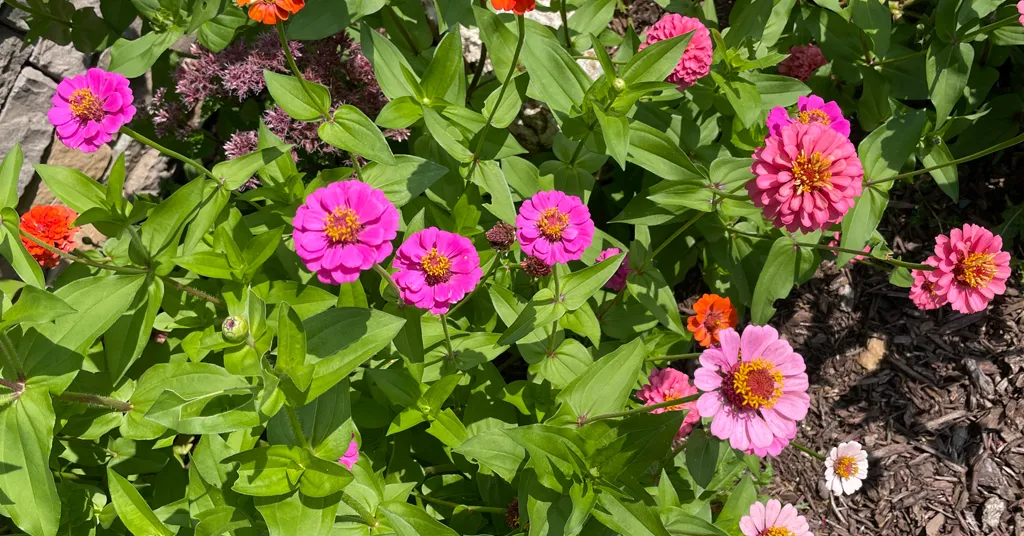
Most garden zinnias are annuals, which means they grow, bloom, set seed, and finish their life cycle in one season. When frost hits, they’re done.
The good news is that zinnias don’t waste time. Once they start, they bloom hard and keep going for weeks, often right up until fall. That long bloom time is why they’re a favorite for beginner flower beds and cut-flower patches.
What does “annual” mean for you?
- You’ll replant each year (or let a few seeds drop and see what comes up).
- You can save seed from your favorite zinnia flower, but the next generation may not look exactly the same if you grew mixed varieties.
Zinnias also have two needs that matter more than fancy fertilizer: full sun and airflow. Give them at least 6 hours of sun (8 is even better). Space them so breezes can move through the leaves, which helps keep common problems like mildew in check.
How tall do zinnias grow? Typical heights by type
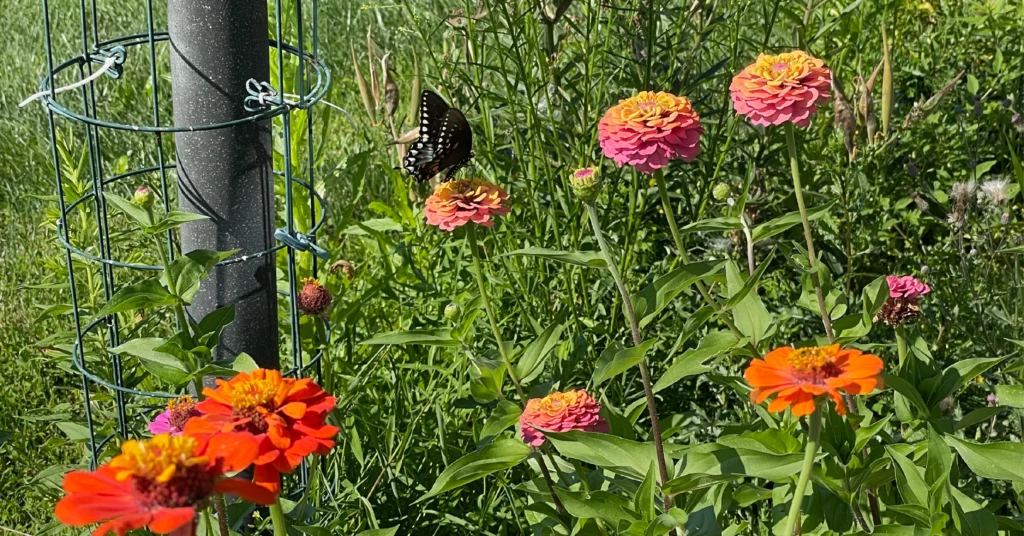
Zinnias come in a wide range of heights, so you can fit them almost anywhere. The seed packet is always your best guide, but here’s a simple way to think about it:
| Zinnia type | Typical height | Best use |
|---|---|---|
| Short (dwarf/compact) | 6 to 12 inches | Pots, edging, front borders |
| Medium | 12 to 24 inches | Beds, mixed borders |
| Tall | 24 to 48 inches | Cutting gardens, back of beds |
Compact bedding types make neat little mounds of zinnia flowers. Taller types give you long stems for bouquets and a more “wildflower patch” feel.
One quick tip: taller zinnias need room. Crowded, bushy plants hold moisture on their leaves, and that’s when disease shows up. If you garden in a windy spot, tall varieties may also need light staking to keep stems from snapping.
When to plant zinnia seeds for the best germination and blooms
Zinnias like warmth. If you plant too early, they’ll sulk in cold soil and may rot before they sprout.
For strong germination, wait until:
- All frost risk has passed, and
- The soil is warm, ideally around 70°F
If you don’t have a soil thermometer, use a simple clue: when nights stay mild, and your warm-season veggies are safe to plant, it’s usually zinnia time too.
Want earlier blooms? You can start zinnia seeds indoors 4 to 6 weeks before your last frost date. Just know that zinnias can dislike root disturbance. If you start inside, handle seedlings gently when you transplant.
To stretch bloom time, try succession planting. Sow a small patch every 2 weeks until mid-summer. It’s like pressing the refresh button on your flower bed.
Direct sow vs starting indoors: Which is better for zinnia seeds?
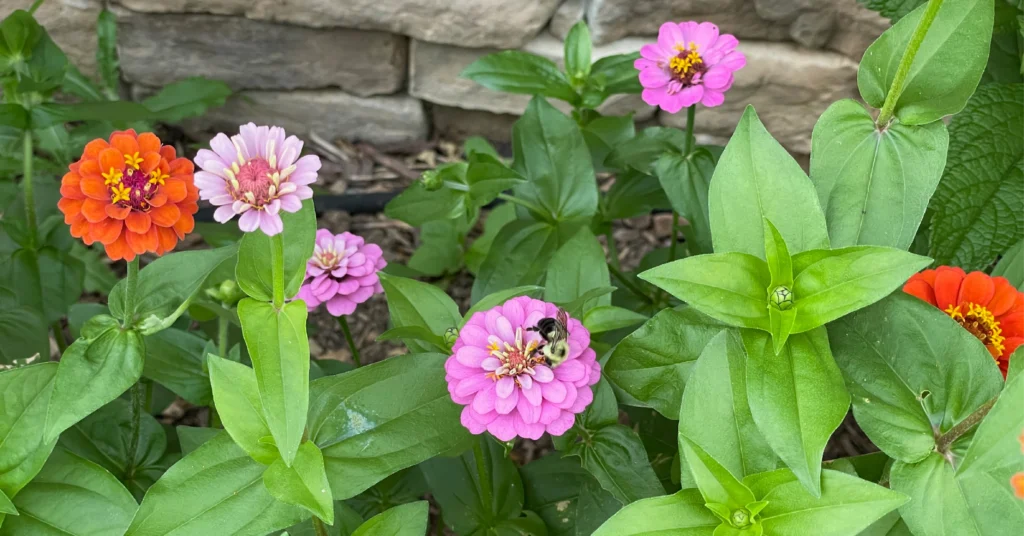
Most gardeners get the best results by direct sowing zinnias, especially in areas with warm springs and summers.
Direct sow benefits: Less work, no transplant shock, and fast sprouting once the soil is warm.
Indoor start benefits: Earlier flowers if you have a short growing season or late springs.
A simple decision guide:
- Choose direct sowing if you want easy success and your summers are long.
- Start indoors if your season feels short and you want blooms as early as possible.
In warm conditions, zinnia seeds often sprout in 3 to 10 days. If the soil is cool, they take longer, and germination can be spotty.
How to plant zinnia seeds step by step (in the ground)
Planting zinnias from seed is simple, but a few small details make a big difference.
- Pick a full-sun spot. Aim for 6 to 8 hours of sun a day. More sun usually means more zinnia flowers.
- Loosen the soil. Work the top 6 to 8 inches so roots can spread. Mix in compost if the soil is hard or low in organic matter.
- Plant zinnia seeds shallowly. Sow about 1/4 inch deep. If you plant too deeply, seedlings may not break through.
- Space and label. Start seeds about 6 to 8 inches apart, then plan to thin. Many gardeners end up at 9 to 12 inches apart, but follow your seed packet for the variety you chose.
- Water gently. Use a light spray or a soft watering can so you don’t wash seeds away.
- Keep soil evenly moist until sprouting. Not soggy, just lightly damp. Once seedlings are up, you can water less often but more deeply.
Common mistakes to avoid:
- Planting too early in cold soil
- Planting too deep (zinnias want a shallow sow)
- Crowding plants (this is a mildew magnet)
- Overwatering (wet soil plus cool temps is trouble)
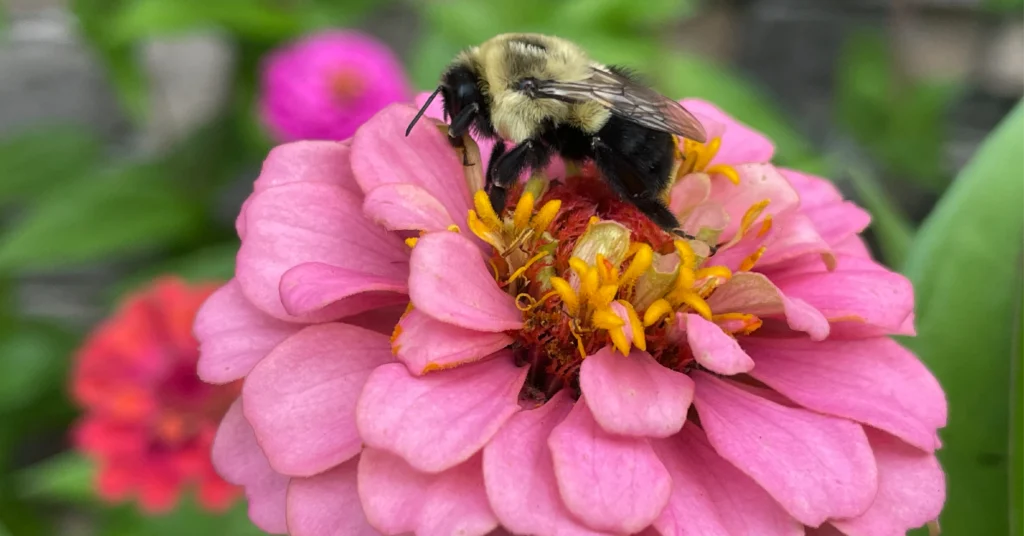
After planting: Thinning, watering, and getting more zinnia flowers
Once seedlings have a set of true leaves (not the first baby leaves), it’s time to thin. This part feels harsh, but it pays off.
Thinning helps airflow, and airflow helps your zinnias stay healthier. If you can’t bring yourself to pull extras, snip them at the soil level with scissors.
After that, care is pretty straightforward:
Watering: Water deeply 1 to 2 times per week, depending on heat and rain. Try to water at the base, not over the leaves.
Mulch: Add a light mulch after seedlings are established to hold moisture and reduce soil splash.
Deadheading: Snip off spent blooms. The plant reads that as a signal to make more flowers.
Optional pinching: When plants are 8 to 12 inches tall, pinch the growing tip once to encourage branching and more blooms.
If plants wilt during extreme heat, check them in the early morning. Some midday droop is normal in hot sun, but they should perk back up later.
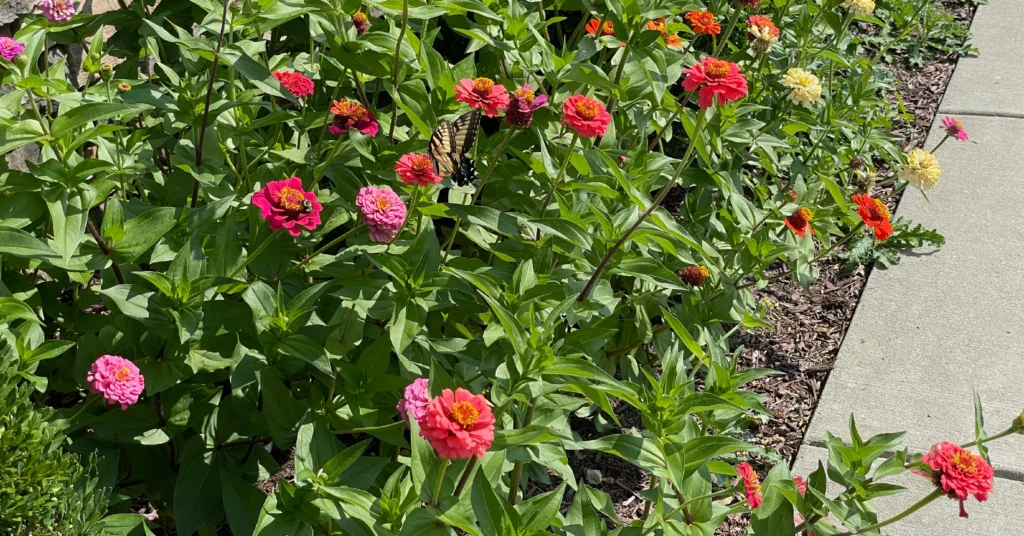
Planting zinnias in pots: Container sizes, soil, and care that works
No garden bed? No problem. Zinnias can shine in containers if you match the pot to the plant.
Start with these basics:
Choose a pot with drainage holes: Zinnias hate sitting in water.
Pick the right size: A 10 to 12-inch pot works for compact types. Taller zinnias do better in larger, heavier containers so they don’t tip.
Use potting mix: Skip heavy garden soil in pots. A quality potting mix drains well and keeps roots happy.
Give them full sun: Containers in partial shade often lead to fewer blooms and lanky stems.
You can sow zinnia seeds right in the pot (same depth, about 1/4 inch) or transplant young seedlings. Either way, don’t overcrowd. One healthy plant often looks better than three stressed ones.
Container care is mostly about water and steady growth:
- Water more often than in-ground plants, since pots dry out fast.
- Feed lightly once plants are growing well, especially if you water a lot. Too much nitrogen can mean leaves with fewer flowers.
- Support tall varieties with a small stake if wind is an issue.
- Keep deadheading to keep those blooms coming.
Quick troubleshooting for container zinnias (leggy, few blooms, mildew)
- Leggy plants: They need more sun. Move the pot to a brighter spot.
- Few blooms: Usually not enough sun, or too much nitrogen. Cut back on feeding and increase sun if you can.
- Mildew: Give plants more space, water at the base in the morning, and remove the worst leaves. Wet leaves plus tight spacing is the usual cause.
Zinnias are easy annuals that reward you fast. Plant after the last frost when the soil is warm, sow zinnia seeds about 1/4 inch deep, and space plants for good airflow. Keep water steady, deadhead often, and you’ll get weeks of bright zinnia flowers in return.
Pick a variety you love, plant a small patch, and cut a few blooms for the kitchen table. Your garden will look fuller, and pollinators will thank you.